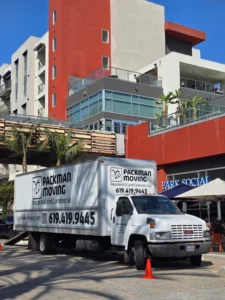
Moving day for some, it’s the beginning of an exciting new chapter; for others, it’s weeks of anxiety, physical exhaustion, and the constant worry that something valuable might break. The difference often comes down to one crucial choice: hiring the right residential moving services near San Diego that combine professionalism, reliability, and care to make your relocation completely stress-free.
This comprehensive guide walks you through everything you need to know about finding, evaluating, and working with professional moving services in the San Diego area. Whether you’re relocating from a downtown high-rise to a suburban home in Poway, or moving cross-country to start fresh in America’s Finest City, understanding what makes a great moving company will save you time, money, and stress.
Understanding San Diego’s Unique Moving Landscape

San Diego isn’t a cookie-cutter city, and moving here requires specialized knowledge that goes far beyond loading boxes into a truck.
The Geography Challenge
Spanning over 4,200 square miles, San Diego County encompasses dramatically different environments. Coastal communities like La Jolla and Coronado feature narrow streets, limited parking, and oceanfront properties where salt air requires extra care for belongings. Move inland to neighborhoods like Scripps Ranch or Rancho Bernardo, and you’ll encounter planned communities with strict HOA regulations and gated access requirements.
East County areas such as El Cajon and Santee present their own challenges with hillside properties and older homes that may have steep driveways or narrow doorways. Downtown San Diego movers must manage elevator reservations, specific loading dock access times, and certificates of insurance that amateur movers often don’t carry.
The Demographics Dynamic
San Diego’s metropolitan area is home to approximately 3.37 million residents as of 2025, making it the eighth-largest city in the United States. The population continues steady growth despite California’s overall migration patterns, with the region attracting an almost equal number of new residents as those who depart annually.
What makes San Diego particularly interesting is its international appeal. Many newcomers arrive from overseas, drawn by the region’s biotechnology boom, military presence, and renowned research institutions like UC San Diego and the Scripps Research Institute. These international moves require movers with customs documentation expertise and international shipping knowledge.
The city’s tech sector expansion, particularly in areas like Sorrento Valley and UTC, has created a mobile professional class that relocates frequently. These movers often need fast, efficient moving services with minimal disruption to their work schedules.
Seasonal Considerations
San Diego’s famous year-round pleasant weather means moving season extends beyond the traditional summer months seen in other regions. However, peak demand still occurs from May through September when families prefer to move between school years.
Summer moves present unique challenges. Temperatures in inland areas can exceed 90°F, requiring extra precautions for heat-sensitive items like electronics, artwork, and certain furniture finishes. Coastal areas experience “June Gloom” with morning fog that can delay moves requiring specific weather conditions.
Winter moves offer advantages including lower rates and greater availability. However, occasional rain requires protective measures for belongings during loading and unloading.
What Professional Residential Moving Services Actually Include
Understanding the full scope of professional moving services helps you make informed decisions about what you need and what you’re paying for.
Comprehensive Local Moving Services
Local moves within San Diego involve much more than most people realize. Professional services typically include:
Initial consultation and assessment: Experienced movers visit your current home to evaluate the scope of your move.
Pre-move planning: Based on the assessment, movers create a detailed plan that may involve coordinating with building management or arranging elevator reservations.
Professional packing services: Trained movers and packers know how to protect fragile items and maximize packing space efficiently.
Movers use high-quality moving supplies and commercial-grade materials unavailable to consumers.
Loading and transportation: Loading and unloading experts understand how to navigate furniture through tight spaces and balance truck weight properly.
Unloading and placement: Movers carefully position furniture, set up appliances, and may even handle furniture assembly and disassembly.
Post-move support: Reputable San Diego moving companies follow up to ensure customer satisfaction.
Long-Distance Moving Expertise
Long-distance moves require exponentially more planning and coordination than local relocations.
Detailed inventory management: For interstate or intrastate moving, professional movers tag and track every item to ensure accountability.
Advanced packing protocols: Trained movers use enhanced techniques, including climate-controlled storage solutions for sensitive items.
Route planning and logistics: Expert movers and packers in San Diego plan optimal routes, avoiding traffic bottlenecks and adhering to state regulations.
Storage coordination: Companies provide secure, short- or long-term storage options as part of their moving packages.
Insurance and liability coverage: Licensed professional movers in San Diego explain coverage levels clearly and offer full-value protection.
Specialized Packing and Unpacking Services
Professional movers and packers employ systematic packing strategies to protect and organize your belongings for both local and cross-country moves.
They use appropriate furniture delivery and reassembly services and specialty materials to handle delicate or high-value items.
Secure Storage Solutions
Storage needs arise frequently during moves. Pack-Man Moving offers both short-term and long-term storage options in climate-controlled, secure facilities.
Specialty Item Moving Services
Certain possessions require specialized expertise and handling:
- Pianos and antiques – handled by experienced movers using specialized equipment.
- Appliances – safely managed by large appliance movers.
- Office relocations – expertly handled by office relocation specialists.
How to Evaluate and Choose the Best Residential Movers
With hundreds of options in San Diego, identifying reliable moving companies requires due diligence.
Check licensing, insurance, and read customer testimonials.
When comparing estimates, ensure all include essentials like furniture delivery and packing materials.
Avoid red flags like high deposits or vague quotes, and always compare binding vs non-binding estimates.
Preparing for Your Move: A Timeline and Checklist

Successful moves start with proper preparation. This timeline helps ensure nothing falls through the cracks.
8 Weeks Before Moving Day
Research and contact moving companies: Start gathering quotes from multiple movers. Schedule in-home assessments for accurate estimates.
Create a moving binder: Organize all moving-related documents, quotes, receipts, and lists in one place. This becomes your command center for the move.
Start decluttering: Moving is the perfect time to evaluate what you really need. Go room by room, creating keep, donate, sell, and discard piles.
Research your new neighborhood: If you’re moving within San Diego, visit your new neighborhood at different times to understand parking, traffic patterns, and amenities. If moving to San Diego from elsewhere, explore virtually and plan a visit if possible.
6 Weeks Before Moving Day
Book your movers: Once you’ve selected your moving company, book them officially. Get everything in writing including dates, services, and costs.
Begin gathering packing supplies: If you’re doing any of your own packing, start collecting boxes, packing paper, bubble wrap, and tape. Many moving companies provide materials, but additional supplies are helpful.
Notify important parties: Begin making a list of everyone who needs to know about your move including employers, schools, doctors, insurance companies, and subscription services.
Plan for pets and children: Moving day is stressful for everyone, especially pets and young children. Consider arranging pet boarding or childcare for moving day.
4 Weeks Before Moving Day
Start packing non-essentials: Items you don’t need daily can be packed now. This includes out-of-season clothing, books, decorative items, and rarely used kitchen items.
Label everything clearly: Use a consistent labeling system that includes the destination room and a brief contents description. Color-coding by room helps movers quickly identify where boxes go.
Notify utilities: Contact utility companies to schedule disconnection at your current home and connection at your new address. Schedule these for the day after you move out and the day before you move in respectively.
Update your address: File a change of address with the post office. This typically takes effect within a few days but allows time for the system to process.
Arrange for parking and building access: If your current home or new home requires special parking permits or elevator reservations, arrange these now.
2 Weeks Before Moving Day
Confirm moving day details: Contact your movers to confirm the date, time, and any last-minute details or changes.
Pack most belongings: By now, most of your home should be packed except for daily essentials. This leaves only a few items to pack in the final days.
Prepare appliances: Defrost your refrigerator and freezer, clean appliances, and ensure they’re ready to move.
Back up computers and devices: Protect your digital life by backing up all computers, phones, and tablets. Use external drives or cloud storage.
Gather important documents: Collect passports, birth certificates, financial records, medical records, and other important documents. These should travel with you, not in the moving truck.
1 Week Before Moving Day
Pack an essentials box: Include items you’ll need immediately at your new home before unpacking including toiletries, medications, phone chargers, basic tools, snacks, paper plates and utensils, and a change of clothes for each family member.
Clean as you go: Clean rooms as they’re emptied. This makes the final cleaning much easier.
Disassemble furniture: If you’re handling furniture disassembly, do this now. Keep screws and small parts in labeled bags taped to the furniture.
Use up perishables: Eat through refrigerated and frozen food. Don’t move food that could spoil.
Confirm new home readiness: Verify that your new home will be ready when you arrive, utilities will be connected, and you have keys and access codes.
1-2 Days Before Moving Day
Final packing: Pack remaining items except absolute essentials like toiletries you’ll use the morning of the move.
Empty, defrost, and clean refrigerator and freezer: These should be completely empty, defrosted, dry, and clean by moving day.
Set aside items traveling with you: Valuables, important documents, medications, and essentials should be clearly separated from items going on the moving truck.
Prepare payment: If you’re paying movers upon completion, have your payment method ready. Understand their accepted payment forms.
Final walkthrough preparation: Create a checklist for your final walkthrough to ensure nothing is left behind.
Moving Day
Be present and available: While movers do the heavy lifting, you should be available to answer questions and provide guidance.
Do a final walkthrough: Before leaving, check every room, closet, cabinet, garage, and outdoor space. It’s easy to forget items tucked away.
Take photos and notes: Document the condition of rooms as you leave them. This protects you against potential damage claims from landlords or buyers.
Review the bill of lading: This is your inventory and contract. Verify all items are listed and note any existing damage before items are loaded.
Supervise without micromanaging: Trust your movers to do their job, but be available for questions and to point out items requiring special care.
Lock up and turn off utilities: Do a final check of windows and doors, turn off lights, adjust thermostats, and lock up securely.
Arrival at New Home
Walk through with movers: Show them your new home layout and where you want major furniture pieces. This prevents confusion and saves time.
Check items as they’re unloaded: Verify each item’s condition as it enters your home. Note any damage immediately on the bill of lading or delivery receipt.
Test appliances and systems: Before movers leave, ensure appliances are working and properly reconnected.
Keep the moving truck bill of lading: This document is essential for insurance claims or disputes. Store it safely with other important moving documents.
What to Expect on Moving Day: A Detailed Walkthrough

Understanding what happens on moving day reduces anxiety and helps you prepare appropriately.
Morning Arrival
Professional movers typically arrive at the scheduled time or call if they’re running late. The crew leader will introduce the team, usually 2-4 people depending on your move size.
They’ll do a walkthrough of your home, noting stairs, narrow passages, or potential access challenges. This helps them plan the optimal order for loading items.
They’ll review the inventory and any special instructions for fragile or valuable items. This is your opportunity to point out anything requiring extra care.
Protection and Preparation
Before moving any items, professional movers protect your home. They lay down floor runners to prevent damage from foot traffic and rolling equipment, use door jammers to protect doorways and trim, pad stairs and banisters, and protect walls at corners where furniture will pass.
This preparation takes 15-30 minutes but prevents damage that could cost thousands to repair.
The Loading Process
Movers work systematically, usually starting with large furniture pieces and appliances. They disassemble items as needed, wrap furniture in pads and plastic wrap, and use specialized equipment like dollies, hand trucks, and furniture straps.
Loading typically proceeds from inside out, starting with interior rooms and working toward the front door. The heaviest items go in first, loaded against the front of the truck. Weight is distributed evenly to prevent shifting.
Fragile boxes are loaded last so they’re accessible and protected from heavy items. Everything is secured with straps and additional padding to prevent movement during transit.
For a typical 3-bedroom home, loading takes 2-4 hours depending on the amount of belongings and access challenges.
In Transit
For local moves, transit time depends on distance and traffic. Movers know the best routes and times to avoid delays.
For long-distance moves, transit times vary significantly. A move from San Diego to San Francisco takes 8-10 hours of driving. A cross-country move to New York takes 3-5 days.
During long-distance moves, reputable companies provide tracking information and regular updates on the truck’s progress.
Unloading and Placement
Upon arrival, movers unload in reverse order—fragile items first, then boxes, then furniture. They place items in designated rooms according to your labels and instructions.
Professional movers reassemble furniture, position major pieces where you want them, and ask questions if placement instructions are unclear.
Unloading typically takes slightly less time than loading, often 1-3 hours for a 3-bedroom home.
Final Walkthrough and Payment
Before the movers leave, do a final walkthrough together. Verify all items have been unloaded, check for any damage that occurred during the move, ensure appliances are reconnected if that service was included, and confirm you have all necessary documentation.
Review the final bill carefully before paying. It should match your estimate for binding quotes or be close for non-binding estimates. Request explanation for any significant differences.
Payment is typically due upon completion via cash, credit card, or certified check. Tipping is customary for good service, typically $20-50 per mover for local moves or 5-10% of the total cost for long-distance moves.
The True Cost of Moving in San Diego
Moving costs vary widely based on numerous factors. Understanding pricing structures helps you budget accurately and identify fair quotes from inflated ones.
Local Move Pricing
Local moves within San Diego County typically use hourly pricing. Rates average $100-200 per hour depending on crew size and season. A typical breakdown includes:
Studio or 1-bedroom apartment: 2-3 movers, 3-4 hours, total $300-$800
2-bedroom home: 3 movers, 4-6 hours, total $600-$1,200
3-bedroom home: 3-4 movers, 6-8 hours, total $900-$1,600
4-bedroom home: 4-5 movers, 8-10 hours, total $1,200-$2,000
These estimates assume average amounts of belongings, one-story access at both locations, and local moves within 30 miles. Factors that increase costs include stairs at either location, long carry distances from truck to entrance, challenging access requiring shuttles, elevators with limited hours, and extra-heavy items like safes or pool tables.
Long-Distance Move Pricing
Long-distance moves use different pricing structures, typically based on weight and distance. The average cost for household goods is calculated per pound with rates varying by distance.
San Diego to Los Angeles: (127 miles) approximately $1,500-$3,000 for a 2-bedroom home
San Diego to San Francisco: (500 miles) approximately $3,000-$6,000 for a 2-bedroom home
San Diego to Phoenix: (355 miles) approximately $2,500-$5,000 for a 2-bedroom home
San Diego to New York: (2,800 miles) approximately $5,000-$10,000 for a 2-bedroom home
Long-distance quotes often include packing services, as proper packing becomes more critical for extended transit. They also typically include basic insurance, though full-value protection costs extra.
Additional Services and Their Costs
Professional packing: Full packing services add $300-$1,000 depending on home size and the amount of fragile items. Partial packing for kitchen and fragile items only typically costs $150-$400.
Packing materials: If you’re packing yourself but need materials, expect to pay $100-$300 for boxes, tape, paper, and bubble wrap for an average home.
Unpacking services: Professional unpacking costs $200-$500 depending on the amount of boxes and the level of service (simply emptying boxes versus organized placement).
Storage: Short-term storage costs $100-$300 per month for a 10×10 unit. Climate-controlled units cost 20-50% more. Long-term storage often includes volume discounts.
Specialty item handling: Piano moving costs $200-$500 for local moves, more for long distance. Pool table moving costs $300-$600. Large safe moving costs $200-$800 depending on weight and floor access.
Insurance upgrades: Basic carrier liability is included but provides minimal protection (60 cents per pound). Full-value protection typically costs 1-2% of the declared value of your belongings.
Ways to Reduce Moving Costs
Move during off-peak times: Mid-month, mid-week moves cost less than month-end, weekend moves. Winter moves often have lower rates than summer moves.
Declutter before moving: Every item you don’t move saves time and money. Selling or donating unwanted items before moving reduces your moving weight.
Pack yourself: Packing your own belongings saves money, though professional packing often prevents damage that costs more than the service.
Be flexible with dates: If you can move anytime within a week or two-week window, movers may offer better rates for filling scheduling gaps.
Get boxes free: Rather than buying boxes, check local stores, post on community forums, or use “Buy Nothing” groups to find free moving boxes.
Compare quotes carefully: Three detailed quotes help you understand the market rate and negotiate better prices.
Understanding Moving Insurance
Basic carrier liability is included with all moves but provides minimal protection. It covers 60 cents per pound per item, meaning your 50-pound TV damaged in a move receives only $30 compensation regardless of its actual value.
Full-value protection costs more—typically 1-2% of your total belongings’ value—but ensures the mover must repair, replace, or provide cash compensation equal to the item’s current value. For moves with valuable belongings, this protection provides essential peace of mind.
Your homeowner’s or renter’s insurance may also provide coverage during moves. Check your policy and inform your agent about your moving plans.
Why Packman Moving Leads San Diego’s Residential Moving Industry
After understanding what makes a great moving company, it’s clear why Packman Moving has become San Diego’s trusted choice for residential moves.
Deep Local Expertise
Packman Moving doesn’t just work in San Diego—we’re part of San Diego. Our team includes native San Diegans and long-term residents who understand the city’s unique characteristics. We know that moving in Hillcrest requires different planning than moving in Chula Vista. We understand Coronado’s bridge restrictions and Del Mar’s parking challenges. We know which building managers in downtown high-rises are easy to work with and which require extra documentation.
This local knowledge translates to fewer delays, better planning, and smoother moves. We don’t waste time figuring out access routes or learning neighborhood quirks—we already know them.
Comprehensive Service Philosophy
Every move is unique, and cookie-cutter approaches fail. Packman Moving customizes services to match your specific situation. Military families preparing for deployment need different support than retirees downsizing from a family home. First-time homebuyers need different guidance than experienced movers who’ve relocated multiple times.
We listen carefully to understand your needs, concerns, and priorities. Then we design a moving plan that addresses your specific situation, not a one-size-fits-all package.
Experienced, Professional Team
Our moving crews combine years of experience with genuine care for your belongings. We hire people who take pride in their work and treat every move like they’re handling their own family’s possessions.
Every team member receives comprehensive training in proper lifting techniques, packing methods, customer service, and safety protocols. We conduct background checks and maintain a drug-free workplace. When you trust us with your home’s contents, you’re working with trained, vetted professionals.
Transparent Communication
From your first contact through move completion, Packman Moving maintains clear, honest communication. We provide detailed written estimates with itemized costs, regular updates on your move’s progress, immediate notification of any issues or changes, and accessible team members who respond promptly to questions.
We believe surprises belong at birthday parties, not on moving day. Our transparent approach means you always know what to expect, what you’re paying for, and how your move is progressing.
Proven Track Record
Our reputation speaks through hundreds of satisfied customers. Real San Diego residents share their experiences on Google, Yelp, and other platforms, providing authentic testimonials about their moves with Packman Moving.
Sarah M. from La Jolla shared: “I was terrified about moving my grandmother’s antique china cabinet—it’s been in our family for four generations. The Packman Moving team treated it like the treasure it is. They custom-wrapped it, took extra time navigating it through our narrow doorway, and positioned it perfectly in my new dining room. Not a single scratch. I actually got emotional watching how carefully they handled it.”
David R. from Del Mar recounted: “We received a job transfer with 48 hours notice. I called Packman in a panic, expecting to hear they couldn’t help on such short notice. Instead, they rearranged their schedule, had a team at our house the next morning, and had us completely packed and moved by the following afternoon. They even helped us find short-term storage for items that wouldn’t fit in our temporary housing. Absolutely saved us during an incredibly stressful time.”
Jennifer L. from Downtown San Diego noted: “Moving from a 15th-floor condo downtown, I knew logistics would be complicated. Packman handled everything—securing elevator reservations, coordinating with building management, navigating parking restrictions. On moving day, everything went like clockwork. They even knew the loading dock supervisor by name! Their local knowledge was invaluable.”
Michael and Patricia T. from Rancho Bernardo shared: “After 35 years in our family home, we were downsizing to a smaller place. The emotional aspect was tough, and we had accumulated so much stuff. Packman didn’t just move us—they helped us through the process. They were patient while we made decisions, suggested what might work in our new space, and even helped us coordinate donations. They treated us like family, not just customers.”
These stories represent our everyday commitment. Every move receives this same level of care, attention, and professionalism.
Full-Service Solutions
Packman Moving offers comprehensive moving services that cover every aspect of your relocation:
Complete packing services: Our trained packers handle everything from your entire household to just your fragile items, using professional-grade materials and techniques that maximize protection.
Secure transportation: Modern, well-maintained trucks equipped with proper padding, straps, and climate control ensure your belongings travel safely whether you’re moving across town or across the country.
Professional unpacking: We don’t just drop boxes in rooms—we help you get settled by unpacking items, placing them where you want, and removing all packing materials.
Short and long-term storage: Climate-controlled, secure facilities accommodate your storage needs whether you need space for a few days or several years.
Specialty handling: From pianos to pool tables, from antiques to artwork, we have the expertise and equipment to move items that require special care.
Furniture assembly and disassembly: We handle the technical work of taking apart and reassembling furniture, ensuring everything is stable and secure.
Appliance handling: Proper preparation, disconnection, transport, and reconnection of appliances ensure they arrive ready to use.
This comprehensive approach means you work with one company for all your moving needs rather than coordinating multiple services from different providers.
Commitment to Customer Satisfaction
At Packman Moving, your satisfaction isn’t just a goal—it’s our mission. We measure our success by your happiness with your move. This commitment drives everything we do, from the initial phone call through your final box being unpacked.
We stand behind our work with responsive customer service, fair and transparent pricing, professional liability insurance, and prompt resolution of any concerns.
If something doesn’t meet your expectations, we want to know immediately so we can make it right. Our reputation depends on your satisfaction, and we protect that reputation fiercely.
Special Considerations for Different Types of San Diego Moves
San Diego’s diversity means different neighborhoods and property types present unique moving challenges. Understanding these helps you prepare appropriately.
Coastal Community Moves
Moving in coastal areas like La Jolla, Pacific Beach, Ocean Beach, or Coronado requires special planning. These neighborhoods feature narrow streets that challenge large moving trucks, limited parking with strict enforcement, salt air exposure requiring extra care for certain items, and higher property values increasing the importance of careful handling.
Beach communities also attract tourists year-round, creating parking and access challenges that intensify during summer months. Professional movers familiar with these areas know alternative parking spots, optimal moving times, and how to work efficiently in constrained spaces.
For Coronado specifically, the bridge has height and weight restrictions that prevent some moving trucks from crossing. Experienced movers plan for this, using appropriately sized vehicles or arranging for shuttles if necessary.
Downtown High-Rise Moves
Downtown San Diego’s residential towers require specialized moving expertise. High-rise moves involve elevator reservations with specific time windows, certificates of insurance provided to building management, coordination with building security and management, loading dock access and restrictions, and protection requirements for lobbies and common areas.
Many downtown buildings allow moves only during specific hours—often weekdays between 8 AM and 5 PM, with restrictions on weekend and evening moves. Some buildings charge elevator reservation fees or require deposits for potential damage.
Professional movers experienced with downtown buildings maintain relationships with building management teams, understand each building’s specific requirements, and plan accordingly to avoid delays or complications.
Suburban Home Moves
Suburban areas like Poway, Rancho Bernardo, Scripps Ranch, and Carmel Valley present their own challenges. Many homes sit in planned communities with HOA regulations requiring moving notifications, gate access arrangements, parking restrictions during moves, and specific moving hours.
Suburban homes often feature multiple stories, steep driveways, and landscaping that requires careful navigation. Professional movers plan for these challenges, using appropriate equipment and taking care to protect your property and your neighbors’ properties.
East County and Rural Moves
Moving in East County areas like El Cajon, Santee, Lakeside, or Alpine involves considerations like longer distances from San Diego’s urban core, narrow mountain roads in some areas, propane or well water systems requiring special attention, and larger properties with outbuildings and external storage.
Rural moves may involve longer travel times and higher fuel costs, but they also often provide easier access and fewer parking restrictions. Professional movers factor in these trade-offs when planning and pricing East County moves.
Military Family Moves
San Diego’s large military presence creates unique moving needs. Military families face PCS (Permanent Change of Station) moves with tight timelines, the need for storage during deployments, specific documentation requirements for military reimbursement, and frequent relocations requiring efficient, stress-free service.
Many moving companies specialize in military moves, understanding the unique pressures military families face and working efficiently within military timelines and requirements. They also understand how to properly document moves for reimbursement claims.
Environmental Considerations in Modern Moving
Sustainable moving practices benefit both the environment and your budget. Forward-thinking moving companies implement eco-friendly approaches that reduce waste without compromising service quality.
Reusable Packing Materials
Traditional moving generates enormous waste through cardboard boxes, packing paper, and plastic wrap used once and discarded. Environmentally conscious movers offer reusable alternatives including plastic moving crates that replace cardboard boxes, reusable packing blankets instead of disposable padding, and rental wardrobe boxes returned after unpacking.
While these materials may cost slightly more initially, they reduce waste significantly and often provide better protection than disposable alternatives.
Recycling and Disposal
After unpacking, you’re left with mountains of cardboard, paper, and plastic. Professional movers can handle this waste responsibly by removing all packing materials, recycling cardboard and paper properly, and disposing of non-recyclable materials appropriately.
Some companies partner with local recycling centers to ensure materials are processed correctly rather than ending up in landfills.
Fuel-Efficient Practices
Transportation represents moving’s largest environmental impact. Progressive moving companies reduce this impact through route optimization that minimizes driving distance, well-maintained trucks that operate efficiently, and consolidation of multiple moves when possible.
For long-distance moves, some companies offer shared truck space where multiple customers moving in the same direction share truck capacity, reducing the number of trips required.
Donation Facilitation
Moving creates opportunities to declutter, but figuring out where to donate unwanted items adds stress. Many moving companies facilitate donations by coordinating pickups with local charities, providing documentation for tax deductions, and ensuring items reach organizations that can use them.
This service benefits you by simplifying decluttering, helps charities by providing needed items, and reduces waste by keeping usable items out of landfills.
Technology in Modern Moving Services
Technology has transformed the moving industry, improving efficiency, transparency, and customer experience.
Virtual Assessments
In-home assessments provide accurate quotes, but scheduling them can be challenging. Many moving companies now offer virtual assessments using smartphone video calls.
You walk through your home with your phone’s camera, showing the mover what needs to be moved. The mover provides real-time feedback and can generate accurate quotes remotely. This saves time, increases scheduling flexibility, and maintains accuracy.
Inventory Management Apps
Tracking dozens or hundreds of boxes manually invites errors and lost items. Modern inventory management systems use barcode scanning or RFID tags to track each item from packing through delivery.
You receive digital access to your inventory, can track shipment progress in real-time, and verify all items arrive at your destination. This technology is particularly valuable for long-distance moves where belongings spend days or weeks in transit.
GPS Tracking
For long-distance moves, wondering where your belongings are creates anxiety. GPS tracking systems let you monitor your moving truck’s location in real-time, receive updates on estimated arrival times, and plan accordingly for delivery.
This transparency reduces anxiety and helps you coordinate your schedule with the truck’s arrival.
Digital Documentation
Traditional moving documentation involves stacks of paper forms that easily get lost. Digital documentation systems provide electronic contracts and bills of lading, digital signatures on mobile devices, electronic receipts and invoices, and cloud storage ensuring documents remain accessible.
This streamlines the moving process and ensures you always have access to important information.
Online Reviews and Reputation Management
Technology has also transformed how customers evaluate moving companies. Online review platforms provide transparency that previously didn’t exist, allowing customers to share detailed experiences, research companies thoroughly before hiring, and hold companies accountable for poor service.
Smart consumers use this technology to their advantage, researching multiple platforms, looking for patterns in feedback, and making informed decisions based on others’ experiences.
Common Moving Mistakes and How to Avoid Them
Even well-planned moves can go wrong. Understanding common mistakes helps you avoid them.
Starting Too Late
The single biggest moving mistake is waiting until the last minute to start planning. Procrastination leads to limited mover availability, higher costs due to last-minute booking, inadequate time for packing, and excessive stress.
Solution: Begin planning at least 8 weeks before your move date. Create a timeline and stick to it.
Underestimating Time Requirements
People consistently underestimate how long packing takes. What seems like a few hours of work actually requires days or weeks, especially for larger homes with accumulated belongings.
Solution: Start packing early, focusing on non-essential items first. If you’re short on time, hire professional packers rather than rushing and doing a poor job.
Not Decluttering First
Moving everything you own costs time and money. Paying to move items you don’t need wastes both.
Solution: Declutter systematically before packing. Apply the six-month rule—if you haven’t used something in six months and it’s not seasonal or sentimental, consider whether you really need it.
Inadequate Labeling
Generic labels like “kitchen stuff” or “miscellaneous” make unpacking chaotic. You’ll waste hours searching for items you need immediately.
Solution: Label boxes specifically with room destinations and detailed contents. Consider numbering boxes and maintaining a master list describing each box’s contents.
Forgetting to Notify Important Parties
Failing to update your address creates problems when bills go to the wrong address, important mail gets lost, subscriptions continue at your old address, and services aren’t available at your new home.
Solution: Create a comprehensive list of everyone who needs your new address including banks and credit card companies, insurance providers, subscription services, employers and schools, medical providers, and government agencies.
Not Protecting Valuables
Packing expensive or sentimental items inadequately risks damage that can’t be undone or repaired.
Solution: Use professional packing services for fragile and valuable items. For irreplaceable items like jewelry, important documents, or family heirlooms, transport them personally rather than in the moving truck.
Failing to Read Contracts Carefully
Signing contracts without thorough review can lock you into unfavorable terms, unclear pricing, or inadequate insurance coverage.
Solution: Read every word of your moving contract. Ask questions about anything unclear. Ensure all verbal promises appear in writing.
Not Preparing Appliances
Improperly prepared appliances can leak water, suffer damage during transport, or become fire hazards.
Solution: Follow manufacturer instructions for moving preparation. Defrost refrigerators and freezers 24-48 hours before moving, disconnect and drain washing machines, secure dryer vents, and empty and clean all appliances.
Inadequate Insurance Coverage
Assuming basic carrier liability provides adequate protection leaves you underinsured when damage occurs.
Solution: Understand the difference between basic carrier liability and full-value protection. For moves with valuable belongings, upgrade to full-value protection or verify your homeowner’s insurance covers moving.
Poor Communication with Movers
Failing to communicate special requirements, access challenges, or specific concerns creates preventable problems on moving day.
Solution: Communicate clearly with your movers about fragile items requiring special care, access restrictions or parking challenges, items that shouldn’t be moved, and any other special circumstances.
The Future of Residential Moving in San Diego
The moving industry continues evolving with changing customer needs and advancing technology.
Increased Demand for Full-Service Moving
Modern lifestyles leave people with less time and more stress. The trend toward full-service moving—where professionals handle everything from packing to unpacking—continues growing.
Customers increasingly view comprehensive moving services not as luxury expenses but as necessary investments in maintaining their sanity and protecting their belongings.
Enhanced Technology Integration
Expect moving companies to adopt more technology including augmented reality for virtual assessments, AI-powered route optimization, blockchain-based tracking for enhanced security, and automated scheduling and coordination systems.
These technologies will improve efficiency, reduce costs, and provide better customer experiences.
Sustainability Focus
Environmental consciousness grows stronger each year. Moving companies will increasingly adopt sustainable practices, offer carbon-offset programs, use electric or hybrid vehicles, and implement zero-waste initiatives.
Customers will increasingly choose movers based partly on environmental responsibility, creating competitive pressure for sustainable practices.
Flexible Service Models
Traditional moving services offer limited flexibility—you either hire full-service movers or do everything yourself. Expect more options emerging including hybrid services where you pack but professionals handle transport, modular pricing allowing customers to select exactly the services they need, and subscription-based moving services for customers who relocate frequently.
Specialized Services Growth
As homes contain more valuable and delicate items—from wine collections to home theater systems—demand grows for specialized moving services. Companies will develop expertise in niche areas, offering services like climate-controlled transport for wine and art, electronics deinstallation and reinstallation, smart home system transfers, and home gym equipment moving.
Final Thoughts: Making Your San Diego Move Successful
Moving doesn’t have to be the stressful nightmare many people experience. With proper planning, the right moving company, and clear communication, your move can be smooth, efficient, and even enjoyable.
The key is starting early, choosing quality over cost alone, and trusting professionals to handle what they do best. Your time and stress reduction are worth the investment in professional moving services.
San Diego’s unique characteristics—from coastal geography to urban density to suburban sprawl—require movers who truly understand the region. Generic national chains may move your belongings, but local experts navigate San Diego’s challenges with ease born from experience.
Whether you’re moving within San Diego or relocating here from elsewhere, whether you’re a first-time mover or a relocation veteran, the right moving partner transforms the experience from overwhelming to manageable.
Ready to Start Your Stress-Free Move?
Packman Moving has helped thousands of San Diego families and individuals transition smoothly to their new homes. We bring decades of experience, comprehensive services, and genuine care to every move.
Contact us today to:
- Schedule your free consultation and quote
- Discuss your specific moving needs and concerns
- Learn how we can customize our services to your situation
- Get answers to all your moving questions
- Book your move with San Diego’s trusted moving professionals
Visit Packman Moving or call us to discover why San Diego residents choose us for their most important transitions. Your stress-free move starts with a simple conversation.
Let us handle the logistics, heavy lifting, and details while you focus on the excitement of your new beginning. Because moving should mark the start of something wonderful, not the end of your sanity.
Comprehensive FAQ: Everything You Need to Know About Moving in San Diego
How far in advance should I book movers in San Diego?
For local moves, book at least 4-6 weeks in advance, especially during peak season (May through September). For long-distance moves, book 6-8 weeks ahead. Last-minute bookings are sometimes possible but limit your options and may increase costs.
What’s the average cost for a local move in San Diego?
Local moves typically cost $100-200 per hour depending on crew size and complexity. A 2-bedroom apartment averages $600-1,200, while a 4-bedroom house costs $1,200-2,000. Factors affecting cost include stairs, distance, packing services, and specialty items.
Do I need to be present during my entire move?
You should be present at both your current and new locations for the beginning and end of the move. During the actual moving process, you don’t need to be present constantly but should remain available for questions. Never leave movers completely unattended in your home.
What items can’t be moved by professional movers?
Movers cannot transport hazardous materials including paint, propane, cleaning chemicals, ammunition, fireworks, or any flammable/explosive substances. Perishable foods, plants, and pets also shouldn’t go in moving trucks. Important documents and irreplaceable items should travel with you.
How do I prepare my refrigerator for moving?
Defrost your refrigerator 24-48 hours before moving day. Remove all food, clean thoroughly, and leave doors open to dry completely. Secure or remove shelves and drawers. Disconnect water lines for refrigerators with ice makers. Let the refrigerator sit for several hours after moving before plugging it in.
Should I tip my movers, and if so, how much?
Tipping is customary for good service. For local moves, $20-50 per mover is standard. For long-distance moves, consider 5-10% of the total moving cost divided among the crew. Tips are typically given at the end of the move, or split between pickup and delivery crews for long-distance moves.
How is furniture protected during moves?
Professional movers wrap furniture in padded blankets, secure items with stretch wrap, disassemble pieces when appropriate to prevent damage, use corner guards and edge protectors, and load items strategically to minimize shifting and contact during transport.
What’s the difference between released value protection and full-value protection?
Released value protection is basic coverage included with most moves, providing 60 cents per pound per item. A damaged 50-pound TV receives only $30, regardless of actual value. Full-value protection costs extra but requires the mover to repair, replace, or compensate you for the item’s actual value.
Can movers transport my car?
Most residential movers don’t transport vehicles, but they can coordinate with auto transport companies. For long-distance moves, separate auto transport is often more cost-effective than driving yourself, especially for multiple vehicles.
What happens if my new home isn’t ready on moving day?
Professional movers offer storage solutions for this common situation. Your belongings are securely stored in climate-controlled facilities and delivered when your new home is ready. This flexibility prevents rushed decisions and protects your investment.
How do I move plants safely?
Plants are challenging to move long distances due to temperature sensitivity and state regulations. For local moves, transport plants yourself in climate-controlled vehicles. Water them several days before moving rather than immediately before. For long-distance moves, consider giving plants to friends or donating them, then replacing them at your destination.
Do movers provide boxes and packing materials?
Most professional movers provide packing materials as part of their service or available for purchase. Materials typically include various box sizes, packing paper, bubble wrap, tape, and specialty containers like wardrobe boxes. Using professional materials ensures adequate protection.
How long does a typical local move take?
Local move timeframes vary by home size: Studio or 1-bedroom: 3-4 hours, 2-bedroom: 4-6 hours, 3-bedroom: 6-8 hours, and 4-bedroom or larger: 8-12 hours. These estimates assume average amounts of belongings and straightforward access. Stairs, long carries, or numerous fragile items extend these times.
What should I pack in my essentials box?
Your essentials box should include items needed immediately upon arrival: medications and prescriptions, toiletries and personal care items, phone and device chargers, important documents, basic tools, snacks and bottled water, change of clothes for each family member, bed linens and towels, pet supplies, and paper plates and utensils.
Are there items movers won’t move even if they’re not hazardous?
Beyond hazardous materials, movers may decline to move items including extremely valuable jewelry or cash, irreplaceable family documents, items with significant sentimental value, pets or live animals, and food items that could spoil. Transport these items personally for security and peace of mind.
How do I ensure nothing gets lost during my move?
Create a detailed inventory of all items being moved, photograph valuable items before packing, use a clear, consistent labeling system, keep important items with you rather than in the truck, and verify your inventory upon delivery, noting any discrepancies immediately.
What if something breaks during the move?
Document damage immediately with photographs, note the damage on the delivery receipt or bill of lading, contact your moving company within their specified claim filing timeframe (typically 9-12 months), and provide documentation including photos, receipts showing item value, and repair estimates. Reputable companies handle claims professionally and fairly.
Can I pack some items myself and have movers pack others?
Absolutely. Many customers choose partial packing services, handling non-fragile items themselves while having professionals pack fragile items, kitchens, and valuable possessions. This hybrid approach balances cost savings with professional protection where it matters most.
How do moving companies handle stairs?
Stairs increase moving time and difficulty. Professional movers are trained in proper stair-carrying techniques using appropriate equipment including stair-climbing dollies. Most companies charge extra for stairs, typically $50-150 per flight depending on item volume and stair challenges.
What questions should I ask when getting moving quotes?
Essential questions include: What is your CPUC license number? What insurance coverage is included? Is this a binding or non-binding estimate? What exactly is included in this price? Who will actually perform my move? What is your cancellation policy? How do you handle damage claims? Do you have experience with my specific situation? and What are your payment terms?
How do I prepare for moving day?
Preparation steps include confirming details with your movers 24-48 hours before, completing all packing except essentials, preparing appliances per manufacturer instructions, securing parking and building access, clearing pathways for movers, separating items you’re transporting personally, arranging childcare and pet care if needed, and having payment ready.