How does appliance moving work in San Diego, and what does it cost? A pro crew comes to your home, unhooks each machine, wraps it, and rolls it out on a heavy-duty dolly. At the new place, they hook it back up and test it. Most single items cost $150 to $400. The price depends on the size of the unit, the stairs involved, and the distance.
That is the short answer. This guide gives you the rest. You will learn how the pros handle each big appliance — fridge, washer, dryer, stove, and dishwasher. You will also see fair price ranges and learn how to pick the right crew.
What Appliance Movers Actually Do
Appliance movers do more than lift heavy things. They handle water lines, gas lines, and power cords the safe way. They bring gear most of us do not own: dollies rated for 800 pounds, ratchet straps, thick blankets, and floor runners.
A good crew also plans the route before they lift. They measure doorways first. Many older homes in North Park and South Park have doors just 32 inches wide. A standard fridge is 36 inches wide. So the crew pulls the fridge doors off to make it fit.
Stairs matter too. Bankers Hill and Hillcrest are full of condos with tight stairwells. Downtown high-rises add elevator rules and short loading zones. Crews that work San Diego every day know these tricks. That is why an appliance moving service beats a DIY move with a rented truck and two friends.
What Does Appliance Moving Cost in San Diego?
Here are the ranges most San Diego homes can expect:
- One washer, dryer, or dishwasher: $150 to $300
- One large fridge or range: $200 to $400
- Full kitchen set (4 to 6 items): $600 to $1,200
- Same-day or rush service: add 20 to 30 percent
A few things push the price up. Stairs add time. So does a long walk from your door to the truck. Gas hookups may need a licensed tech. Want the full math, item by item? See our appliance moving cost guide.
Local moves inside the county bill by the hour. That means downtown to La Jolla costs about the same as downtown to Chula Vista. Time and labor drive the price, not the miles.
Always ask for a written quote. It should list every fee and confirm insurance. If a company will not put the price in writing, keep looking.
What Happens on Moving Day
Here is how a typical appliance move goes, start to finish:
- The walk-through. The crew checks each appliance, the doorways, and the path to the truck.
- Prep and disconnect. Water off, power off, gas lines capped. Hoses get drained and bagged.
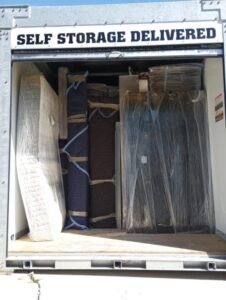
- Wrap and load. Each unit gets blankets, straps, and its own dolly.
- The ride. Fridges stay upright. Washers ride with their drums locked down.
- Set up and test. The crew levels each machine, hooks up the lines, and runs a quick test.
Most homes with three or four appliances take two to four hours. A single washer across town can be done in about an hour. Clear a path before the crew arrives and the job goes even faster.
Refrigerator Moving in San Diego
Your fridge is likely the heaviest thing in your home. Most weigh 200 to 400 pounds. Inside sits a compressor that hates being tipped. If a fridge rides on its side, oil can drain into the cooling lines. That can ruin the unit.
Pro fridge movers keep the unit upright the whole way. They strap it to an appliance dolly and guard the door seals from tears. French-door and built-in models get extra care. Those wide built-ins you see in La Jolla kitchens often need doors and trim removed first.
How to prep your fridge
- Empty it. Toss what you can and cooler-pack the rest.
- Unplug it 24 hours ahead so the freezer can defrost.
- Wipe the inside dry to stop mold during the ride.
- Pull out glass shelves and drawers, or tape them in place.
- Take a photo of the water line before it comes off.
One more tip for after the move. Let the fridge stand upright for a few hours before you plug it in. This gives the compressor oil time to settle.
Washer and Dryer Moving in San Diego
Washers and dryers look simple. They are not. A front-load washer has a drum that floats on springs. If that drum bounces around in the truck, the machine can break. Movers lock it down with transit bolts before it leaves the wall.
Dryers bring their own risk. Many San Diego homes run gas dryers. The gas line must be shut off and capped the right way. Pros handle this step, or bring in a licensed tech when the hookup calls for one.
How to prep your washer and dryer
- Run one last empty hot wash to clean the drum.
- Shut off the water valves and drain both hoses.
- Find your transit bolts, or ask your mover to bring a set.
- Leave the doors open for a day so the drum can dry out.
- Bag the hoses and tape the bag to the machine.
At the new home, the crew levels the washer with a bubble level. A washer that sits crooked will walk across the floor on every spin cycle.
Stove and Range Moving in San Diego
Stoves come in two camps: electric and gas. Electric ranges need a safe unplug and careful padding. Glass cooktops crack easily, so they get thick blankets and gentle handling.
Gas ranges are the serious ones. The line must be closed and capped before the stove moves an inch. At the new house, the hookup should be leak-tested before first use. Never move a gas stove yourself. One bad fitting can leak gas into your home.
How to prep your stove
- Remove grates, burner caps, and knobs. Box them up.
- Wipe off grease so the crew gets a firm grip.
- Tape the oven door shut, or let the movers strap it.
- Book a licensed gas disconnect if your mover asks for one.
Heavy pro-style ranges can top 500 pounds. Tell your mover the brand and model ahead of time. That way they bring the right dolly and enough hands.
Dishwasher Moving in San Diego
Dishwashers seem easy because they are light. The catch is the water. Every dishwasher holds leftover water in its pump and drain hose. If no one drains it, that water ends up on your floor or in the truck.
Dishwashers are also built in. They screw into the counter and tie into the sink plumbing. Pulling one out the wrong way can crack the counter or bend the door.
How to prep your dishwasher
- Run a short empty cycle, then leave the door open to dry.
- Shut off the water supply under the sink.
- Let the crew unbolt it from the counter. Do not force it.
- Tape the racks so they cannot slide out.
Just bought a new unit? If you only need the old one hauled away and the new one set in place, ask about appliance delivery instead of a full move.
How to Choose an Appliance Mover in San Diego
Not every moving crew should touch your appliances. Check these six things before you book:
- License. California movers must hold a state carrier permit. Ask for the number and look it up.
- Insurance. Ask what cargo coverage they carry and how a claim works.
- The right gear. Appliance dollies, straps, transit bolts, floor runners. If a crew shows up with only muscle, that is a red flag.
- Hookup skills. Can they cap a gas line and reconnect a water line? Or do they only haul?
- Local know-how. Do they know condo elevator rules downtown? The tight streets in Ocean Beach? Ask them.
- A written quote. Real companies price the job in writing, with no surprise fees.
One last tip: read recent reviews, not just the star count. Look for phrases like “no scratches” and “on time.” Those tell you how a crew treats heavy items. For a deeper look at safe handling, read our guide on how to move appliances safely in San Diego.
When Should You Book?
Book one to two weeks ahead if you can. Summer is peak season in San Diego, and end-of-month weekends fill up first. Mid-week and mid-month dates book easier and often cost less.
Moving a fridge in August heat? Ask for a morning slot. Cooler hours are easier on your cold food and on the crew. And if you are in a pinch, same-day help is often out there. It just costs a bit more.
FAQ: Appliance Moving in San Diego
How much does it cost to move a refrigerator in San Diego?
Most fridge moves run $200 to $400. A small top-freezer unit on a ground floor sits at the low end. A wide built-in with trim work sits at the top. Stairs, long carries, and water line hookups add to the bill. Get a written quote so there are no surprises.
Can movers disconnect and reconnect my washer and dryer?
Yes. A trained crew shuts off the water, drains the hoses, and locks the drum with transit bolts. At the new home, they hook up the lines, level the machine, and run a quick test. Gas dryers may need a licensed tech to cap the line. Confirm this service is in your quote.
Do appliance movers handle gas stoves?
Yes, but the gas line comes first. It must be shut off and capped before the stove moves. Many crews book a licensed tech for this step and leak-test the new hookup. Never pull a gas stove away from the wall on your own.
Can I book same-day appliance movers in San Diego?
Often, yes. Call in the morning, and many crews can fit you in that same afternoon. Expect to pay 20 to 30 percent more than a booked-ahead move. Summer weekends fill up fast, so call as early as you can.
Should I move an old appliance or replace it?
Do the math. If the unit is over ten years old and the move costs $300, a new one may be the smarter buy. Newer machines also use less power and water. If your fridge or washer is under five years old, moving it almost always wins.
Ready to Move Your Appliances?
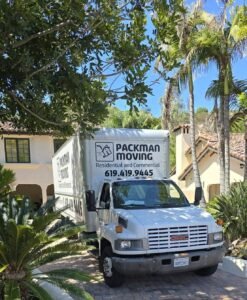
Packman Moving has moved fridges, washers, and stoves in every corner of San Diego County. From Carlsbad garages to Chula Vista kitchens, our crews handle each unit like it is their own. We show up with the right gear, a written price, and full insurance.
Need furniture taken apart for the same move? Our furniture assembly and disassembly team can handle that on the same trip.
Ready for a quote? Fill out our quick booking form, and we will get back to you fast. One call, one crew, zero scratches.